If you’ve ever typed “Which Jumping Crocodile Cruise has the best light for photos?” into Google, you’ve already worked out one of the Top End’s biggest photography questions. The answer’s not as simple as “whichever boat you’re on.” Light here is fickle — golden one minute, blinding the next, and often obscured by tropical haze or the odd hungry mozzie. I’m Paul Beames, and after years cruising the Adelaide River with various Jumping Crocodile Cruise operators, I can tell you there’s an art (and a fair bit of timing) to snapping those saltwater crocodiles mid-air without blowing out your highlights or losing a finger.
Timing the Top End Light: How Seasons Change the Shot
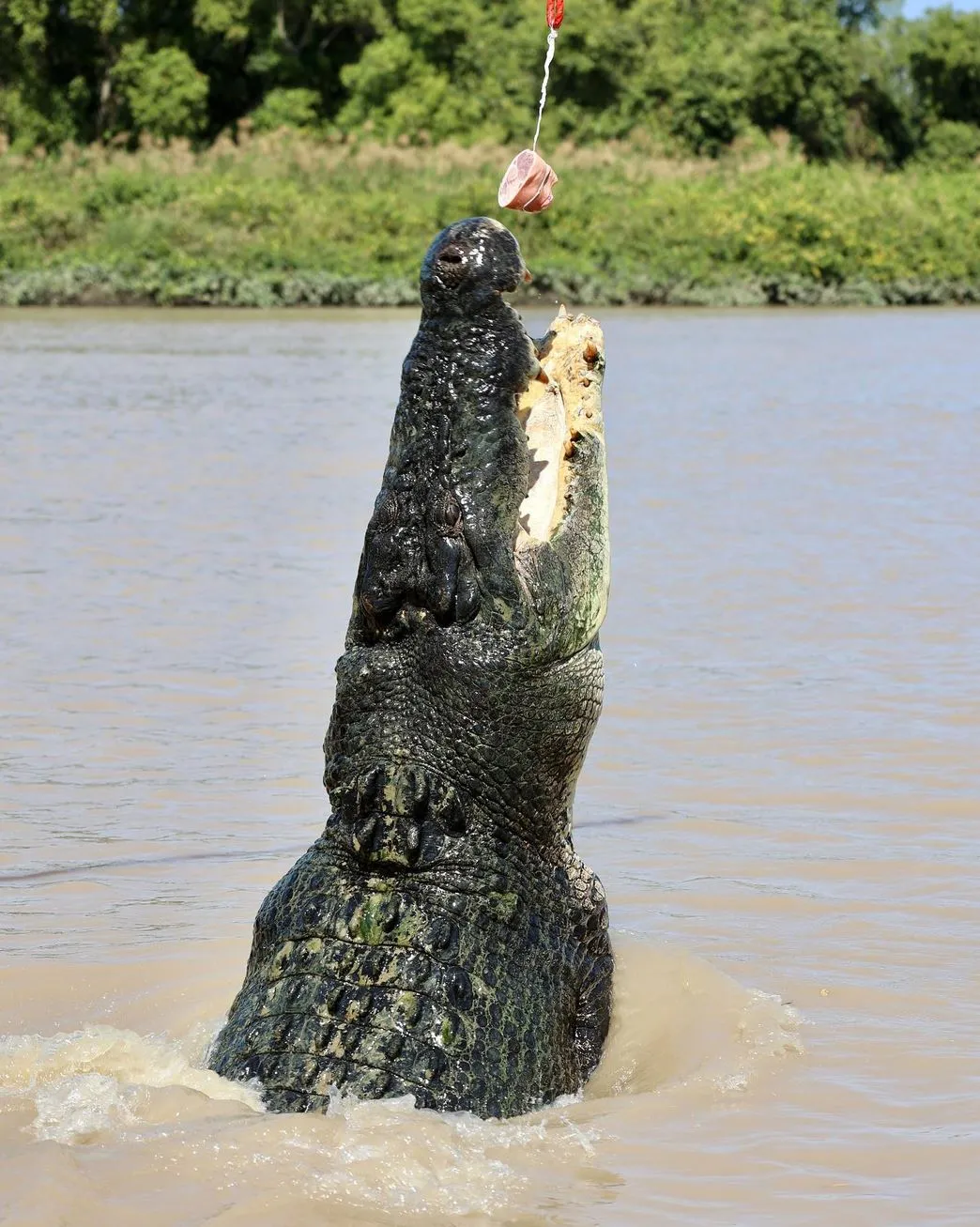
The Northern Territory’s light isn’t just bright — it’s alive. Between the wet and the dry, everything changes: the river colour, the air clarity, and even the crocs’ behaviour. You’ll want to know this before you book, because the right timing means the difference between a glare-filled glarefest and a perfectly balanced photo with sunlight glinting off those prehistoric scales.
Dry Season (May–October): Cooler mornings, crisp air, and low humidity give you the clearest light. Early tours (around 9 am) often have soft golden tones, perfect for detail.
Build-Up (November): Dramatic skies and heavy air make for moody backdrops — great for contrast, tough for camera sensors.
Wet Season (Dec–April): Expect cloud cover and glare bouncing off muddy water. The crocs are active, but photography’s a challenge unless you’re shooting RAW and packing a polariser.
According to Bureau of Meteorology data, sunshine hours in Darwin peak around 10.7 hours a day in August — the sweet spot for crisp shots of the floodplain ecosystem at its brightest.
Comparing the Cruises: Which One Nails the Light?
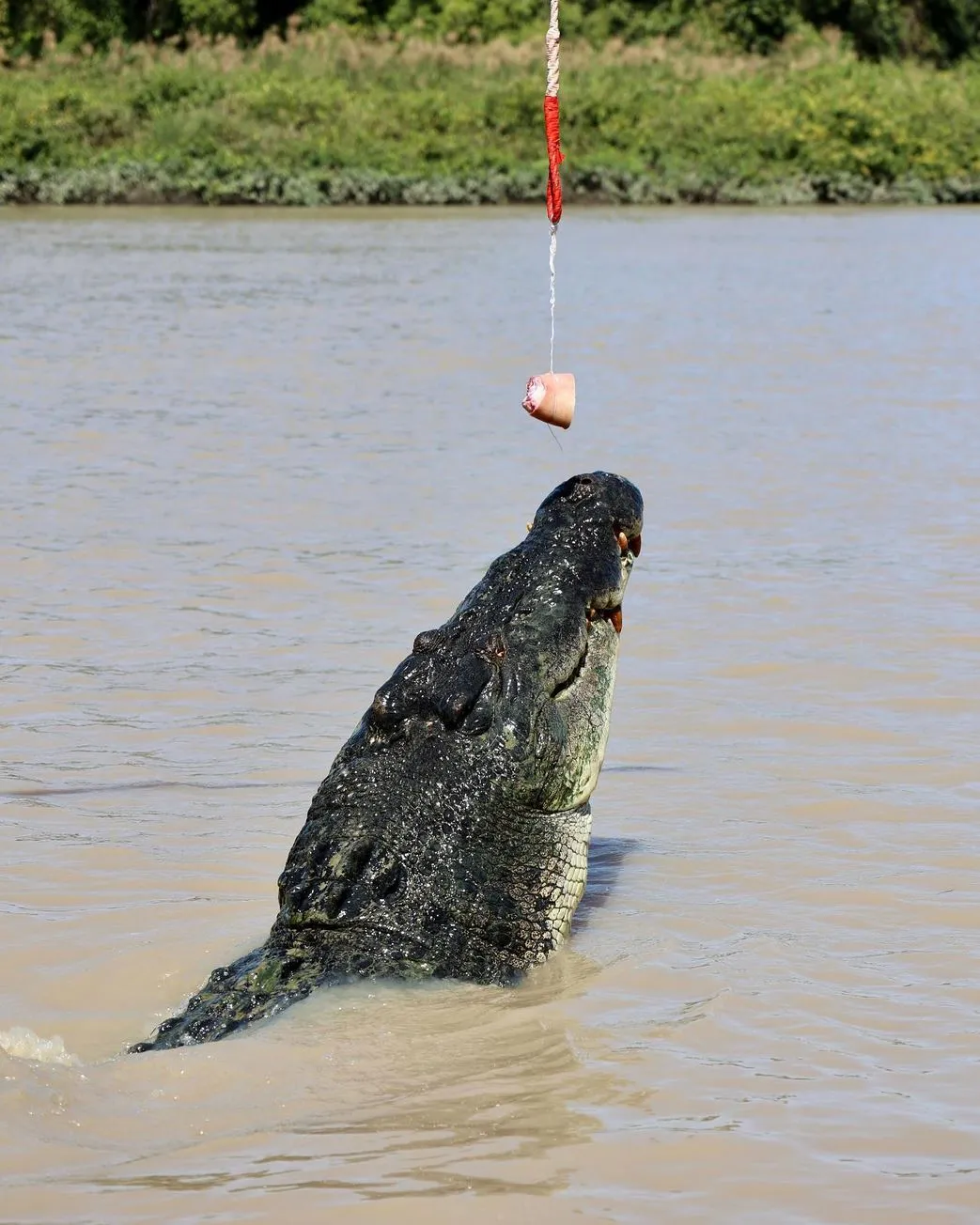
Not all Jumping Crocodile Cruise options are created equal. They each run on different stretches of the Adelaide River, with unique backdrops, light angles, and crowd sizes. Here’s how the big three stack up for photographers:
| Operator | Location | Best Time for Light | Sun Direction (Dry Season) | Photo Conditions | Crowd Factor |
|---|---|---|---|---|---|
| Spectacular Jumping Crocodile Cruise | Adelaide River Bridge (1 hr from Darwin) | 9–10:30 am | East → West | Soft side light on crocs jumping toward the boat | High in school holidays |
| Adelaide River Queen Cruises | Near the Window on the Wetlands | 3–4:30 pm | West → East | Warm sunset tones, strong backlight for silhouettes | Moderate |
| Crocodylus Park Cruise | Just outside Darwin | 10–11 am | Variable | Controlled light, close range, predictable jumps | Low, small groups |
My Top Picks for Capturing the Perfect Jumping Crocodile Photo
I’ve got to give Spectacular Jumping Crocodile Cruises top marks when it comes to natural light – the sun is perfectly situated behind you during morning trips. But Adelaide River Queen does it for me when it comes to atmosphere, especially if you’re looking to have a few quiet beers afterwards & end the day with a visit to a nearby outback pub
Choosing the Right Spot to Get Your Shot
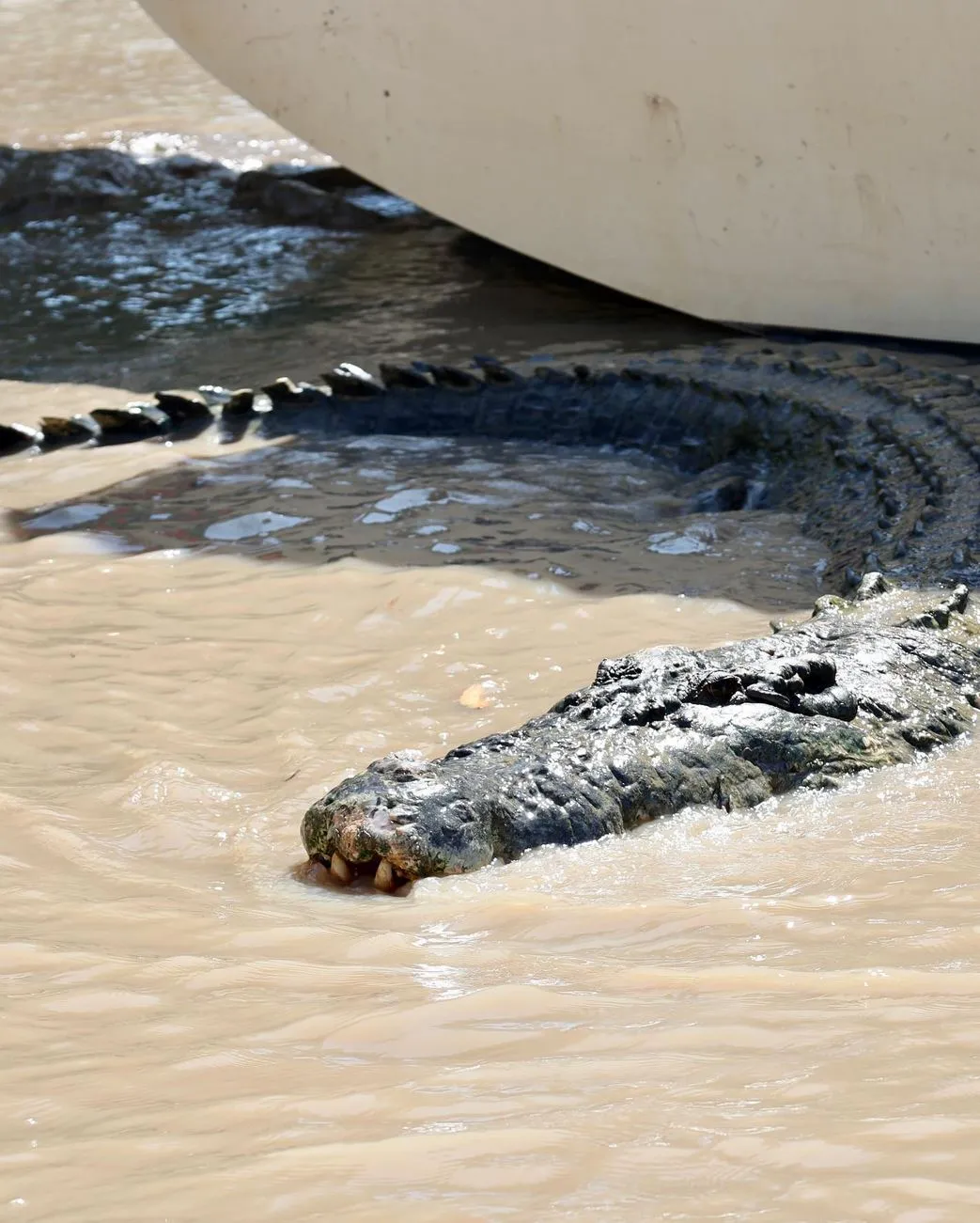
Light is only half the battle – where you sit is just as important. When on a Jumping Crocodile Cruise, go for the edge of the boat, not the middle bench. Try to get the side of the boat that’s in the shade of the sun. On the Spectacular Jumping Crocodile Cruises, I find the best views are from the back left on morning runs and front right in the afternoon.
A 70-200 mm lens (or 300 if you have the full range) is perfectly suited for capturing the action.
To freeze the leap, you want to be around 1/2000 s on your shutter speed.
ISO 400-800 is usually enough unless the clouds roll in and the light gets tricky.
I’ve seen a lot of visitors miss the shot because they’re fiddling with their settings, but the crocs don’t hang around for long – one blink and they’re gone. Get into burst mode early and keep an eye on the handler’s bait line rather than the croc itself.
The Morning vs Afternoon Showdown
You’d think it wouldn’t make a difference which time slot you book, but up here, the light is a game-changer. Morning cruises give you soft, golden tones that bring out the best in the river and the crocs themselves. Afternoon trips, on the other hand, give you deeper contrasts – especially on days when the thunder clouds are rolling in.
Morning (8:30 – 10:30 am):
Best for keeping the colours nice & clear
There’s less chance of heat haze messing up your shot
Perfect for getting a good handheld shot
Afternoon (3 – 5 pm):
Best for capturing golden reflections and silhouettes
The deeper colours add loads of texture to the ripples
Just be aware that there’s a good chance it’ll be too bright – keep your lens hood handy
Personally, I’m a big fan of the late morning runs – plenty of action, early start & you’re back in Darwin in time for lunch.
The Special Challenges of Shooting on the Adelaide River
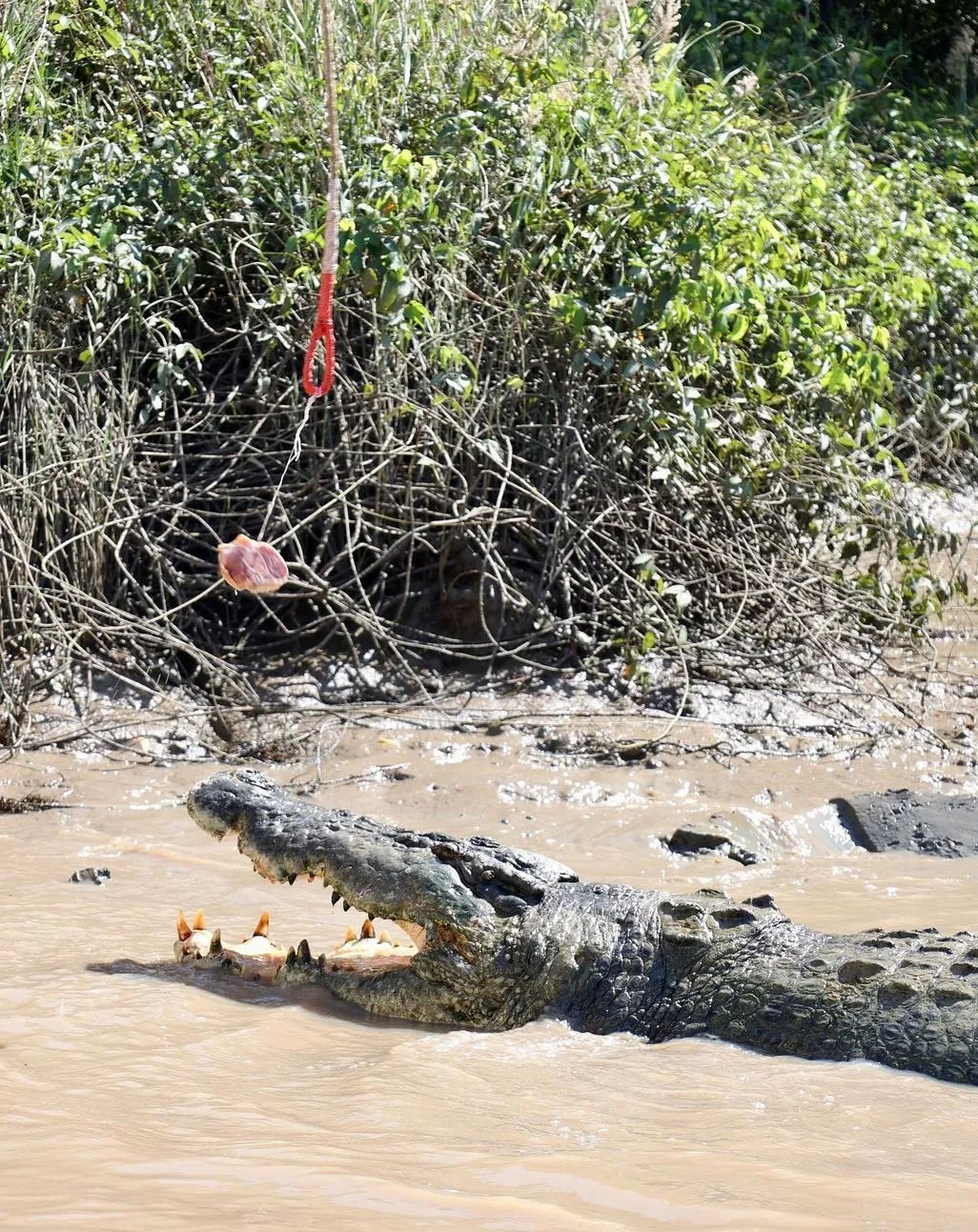
The river can be a real challenge to shoot on – what with the humidity, dust and unpredictable splashes from the crocs. Then there’s the Wet season, which brings with it condensation and the Dry season, which brings dust everywhere. Keeping your gear clean is half the battle.
- Use a microfibre cloth to wipe down your lenses – your shirt is probably too sweaty.
- Silica gel is essential – the humidity is usually around 80-90%
- Bring a waterproof cover, not just for the rain, but for the crocs’ splashing too.
- Try to avoid changing lenses mid cruise – it’s just asking for trouble.
On a recent private boat trip for a client, I saw the light go from warm gold to steel grey in under 10 minutes – it’s not uncommon up here. Always make sure you’ve got a spare battery and lens cloth on hand.
Beyond the Crocs: Wildlife and Termite Mounds
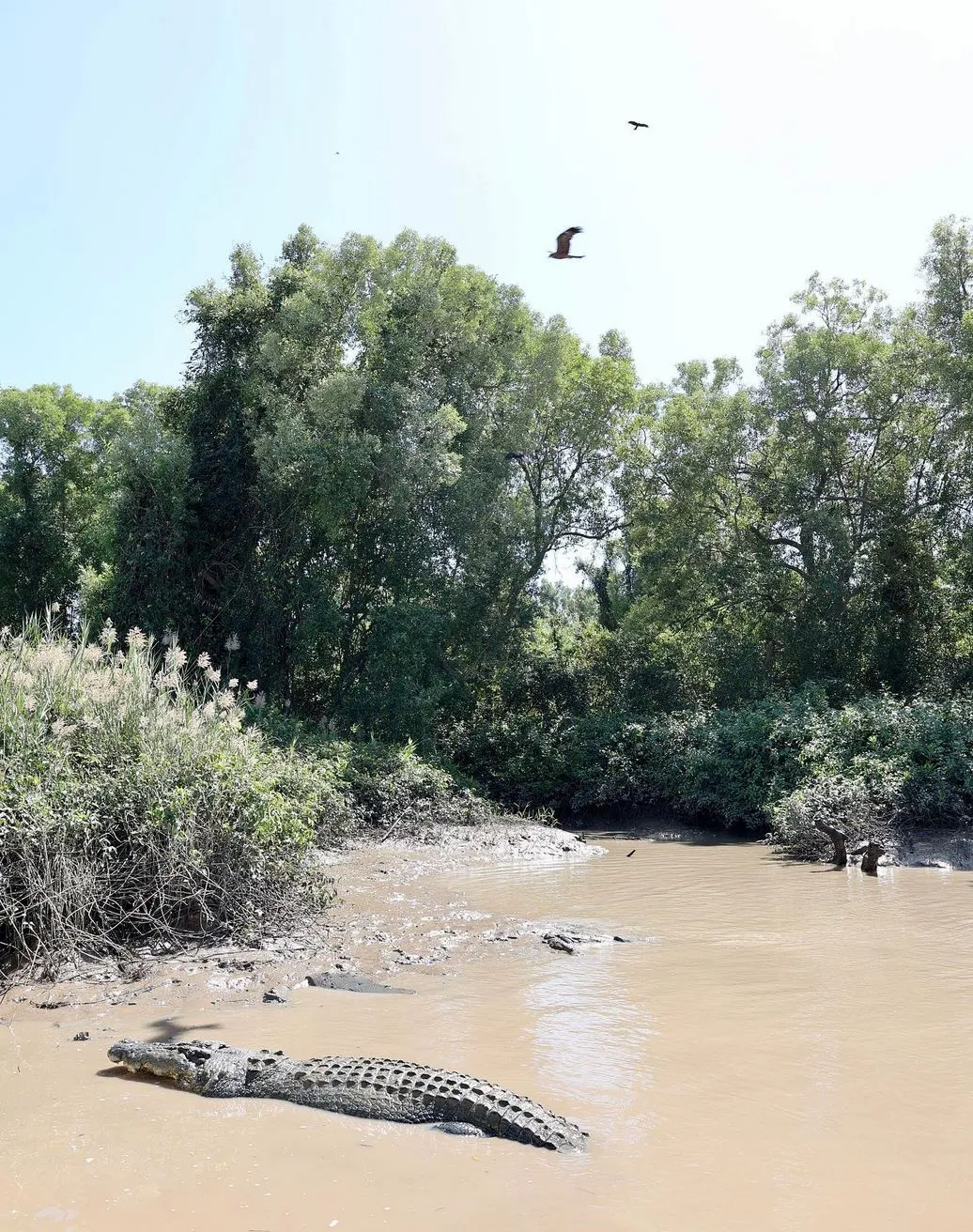
Yeah, the saltwater crocs get all the attention – but trust me, take a closer look and you’ll see sea eagles soaring overhead, jabirus and even the crazy impressive cathedral termite mounds popping out of the plains like they’re made of stone. And just when you thought things were straightforward, there’s the magnetic termite mounds lining up like a compass – a pretty clear sign that nature has a better grasp on geometry than we do.
These icons really show you just how balanced the floodplain ecosystem out here is – a delicate dance between lush and cracked depending on the season. When you’re visiting, the key thing is to play some smart tourism – stick to the track, support local operators like Jumping Crocodile Cruise, and listen to what the Traditional Owners have to say.
Staying Safe and Croc-Smart
Let’s get straight to it – the Adelaide River’s not really the place to go all DIY with a GoPro trying to get up close & personal with the crocs. The ones that live here are massive, and NT Parks‘ warnings aren’t for decoration. Every reputable Jumping Crocodile Cruise has strict safety standards in place, so you can be sure you’re in good hands.
- Keep your limbs inside the boat, okay?
- Don’t be tempted to lean over for a better view – your skipper will get you the shots you need
- Drones are off-limits – ask before flying
- Your skipper knows every croc’s personality like the back of their hand – stick with them
It’s about getting up close to the real deal – not just some zoo experience. And that’s why doing the right thing with your tourism is so important up here. The operators we work with have safety and conservation at the top of their list.
Local Insight: Chatting to the Skippers
You know, a lot of the Jumping Crocodile Cruise skippers have grown up along this river. They know which crocs are the top dogs, which ones are nesting, and where to find the best light. I once heard a skipper say, “When the crocs jump low, the light is still nice; when they jump high, it’s too hot already.” That’s some real insight – even the crocs know when to call it a day.
Packing for the Photographer
What you need to get:
- A camera that can keep up in burst mode
- A good telephoto lens (70-200mm+ would be ideal
- Lens cleaning cloth, polariser sunglasses, hat, and sunscreen
- Some water, mozzie repellent, and a dry bag for your gear
The nice-to-haves are:
- Some spare memory cards in case you run out
- A monopod to help keep your camera steady
- Some silica gel to keep your gear from getting all sweaty in the heat
- A lightweight towel so you can wipe off any croc-splosh from your camera
Cost, Access, and Practical Bits
Most Jumping Crocodile Cruises depart from Adelaide River, about 75km from Darwin via the Arnhem Highway.
Travel time: ~1 hour each way
Cost: $45–$60 per adult (standard cruise)
Facilities: Shaded seating, toilets, small café
Best season: June to August for clear skies
If you join one of our Get Lost Travel tours, you’ll often combine the croc cruise with a stop at Fogg Dam, Litchfield National Park, and yes — an outback pub or two on the way back. For returning guests, there are even membership benefits that include small-group upgrades and early booking perks.
The Verdict: Chasing Light, Not Luck
So, which Jumping Crocodile Cruise has the best light for photos? I’d say the morning Spectacular Jumping Crocodile Cruise during the Dry. The sun’s behind you, the crocs are fired up, and the Top End air still carries that crisp morning bite.
If you’re after atmosphere, though, the Adelaide River Queen’s afternoon glow is unbeatable. Either way, pack patience, polariser, and a sense of humour. Up here, the light changes faster than a croc’s mood.
FAQ
Are crocodile cruises safe for families?
Yes — all licensed Jumping Crocodile Cruise operators follow NT Parks protocols. Boats are rail-fitted, and the crew are experienced. Keep kids seated, and you’ll be fine.
Can I use a drone on the Adelaide River?
Generally no. CASA restrictions protect the wildlife and floodplain ecosystem. Always check before flying.
What camera settings work best for croc shots?
1/2000 s, f/5.6–f/8, and burst mode. ISO 400–800 works in most Top End conditions.
Is there shade on board?
Yes — but limited. Wear a hat and sunscreen, especially during afternoon Jumping Crocodile Cruise runs.
What’s the best month for crocodile photography?
June to August for clear skies, low humidity, and the best light angles for those legendary saltwater crocodiles.