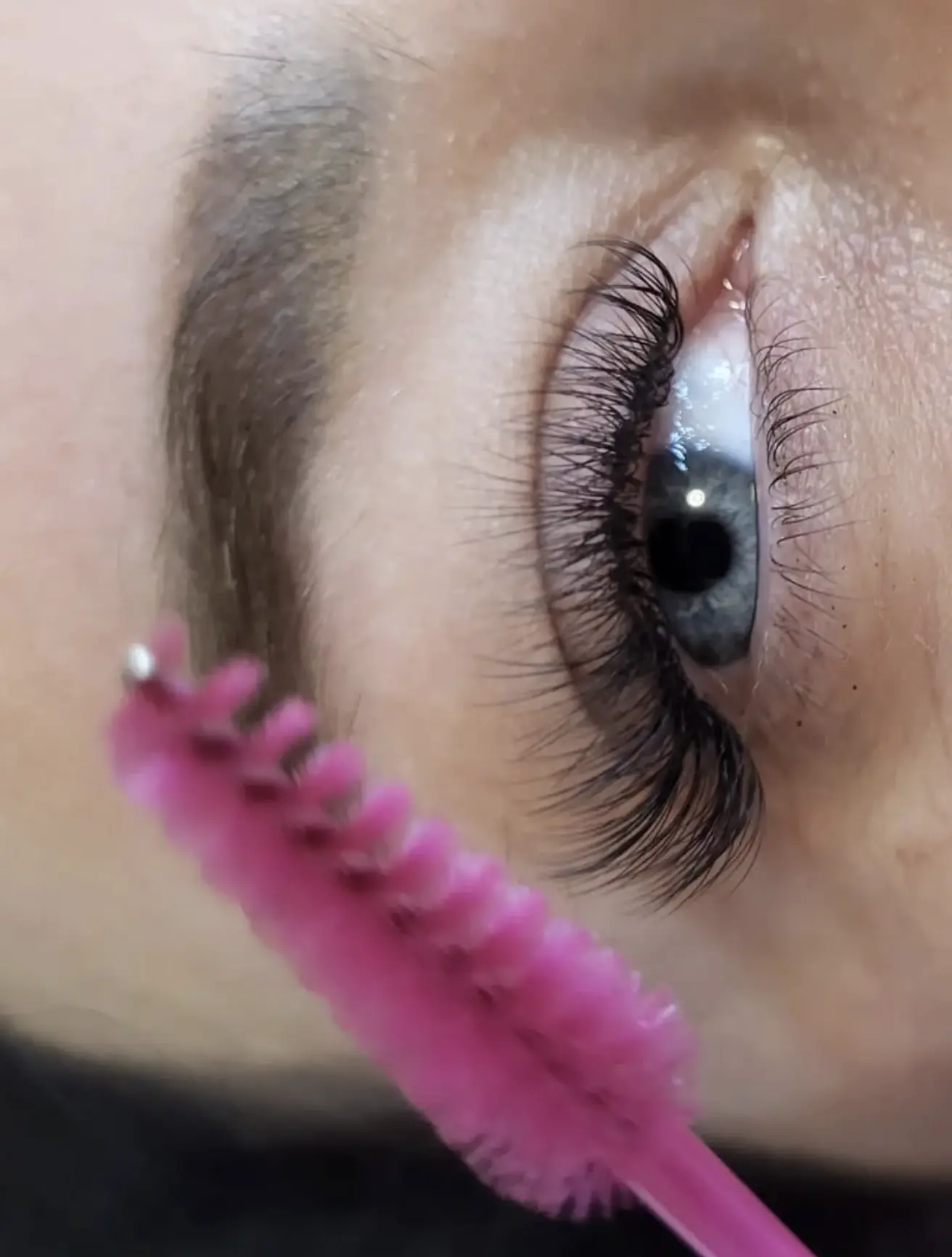
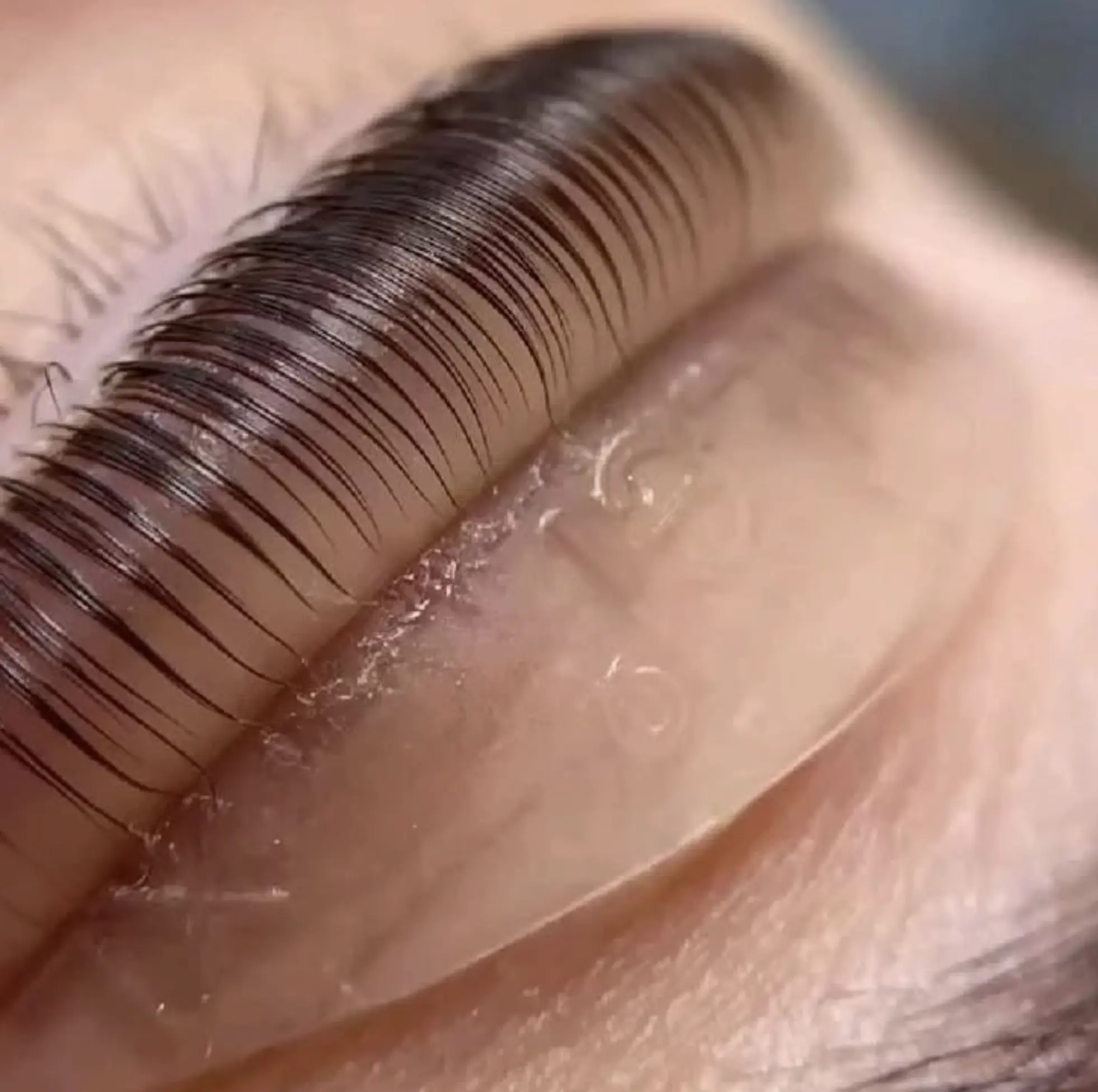
Eyelash extensions are semi permanent synthetic, mink or silk fibers glued individually to each natural lash using a special adhesive. They can add length, curl and volume to create a fuller lash line. The application process is meticulous and requires professional expertise to ensure safety and results. Professional lash artists use a detail-oriented process to apply individual lashes safely, ensuring the lashes stick to the natural lash hairs. If you’re looking for high-quality lash services, Eyelash Extensions in Brisbane has expert lash technicians who specialise in customised results. But who should not get lash extensions?
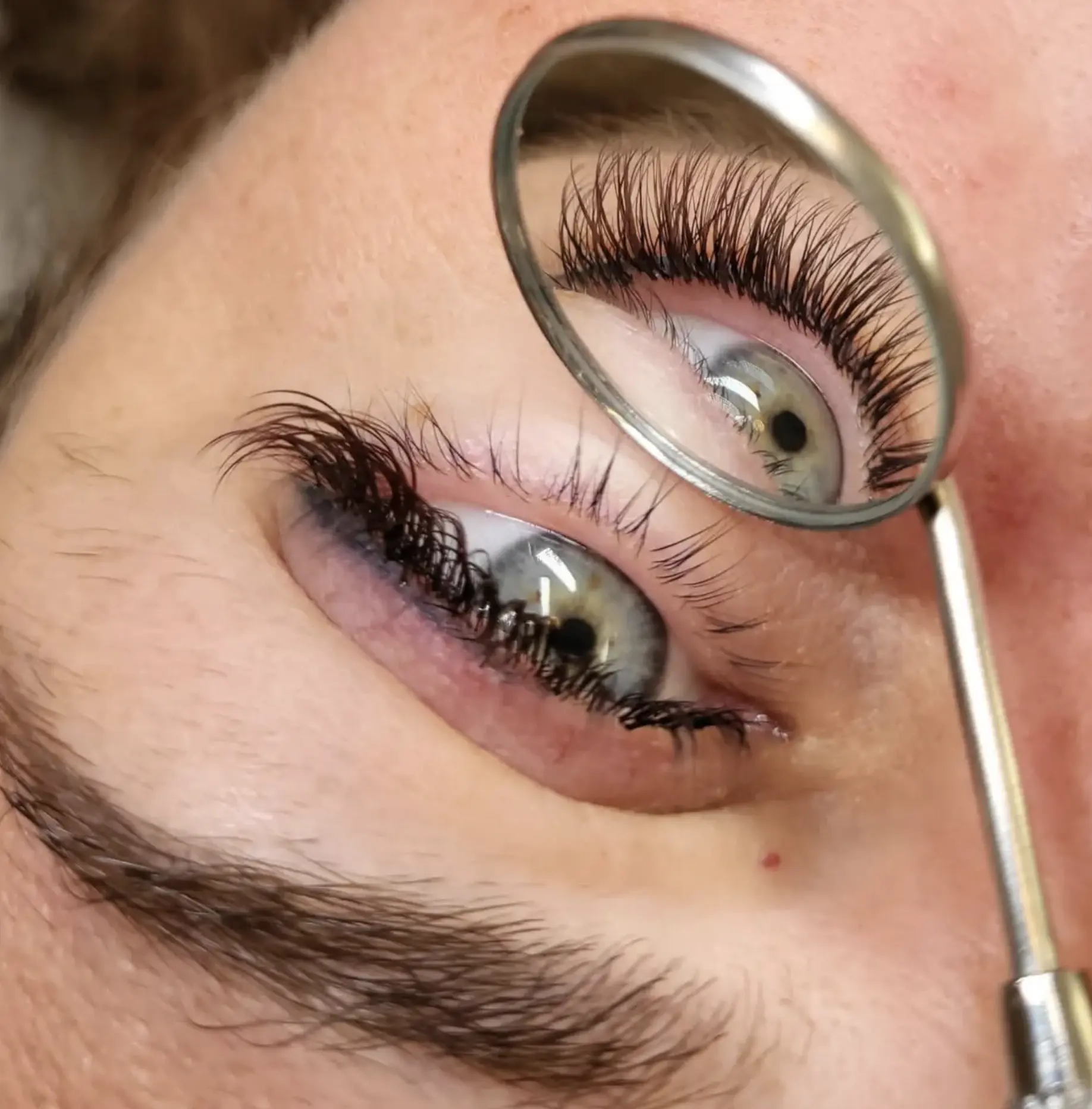
What are Eyelash Extensions?
Lash extensions are a popular beauty treatment to get long, voluminous lashes without the need for mascara. While they can enhance the eyes and look glamorous, lash extensions are not for everyone. Some people may experience discomfort, complications or even long-term damage to their natural lashes due to certain conditions or lifestyles.
Contraindications to Eyelash Extensions
While lash extensions are generally safe, some people should avoid them due to health risks, discomfort or maintenance challenges.
1. People with Allergies or Sensitivities
If you have an allergy to lash adhesives or any of the materials used in the extensions, you should avoid the treatment. Some adhesives contain cyanoacrylate,e which can cause irritation, redness and swelling. If you’re prone to allergic reactions or have sensitive skin it’s best to do a patch test before the full application. Allergic blepharitis or active blepharitis can also be triggered by lash extensions.
2. Those with Eye Conditions or Infections
People with eye infections such as conjunctivitis, blepharitis or styes should not get lash extensions until the condition has fully healed. Applying extensions when an infection is present can worsen symptoms and spread bacteria, leading to further complications. Those who have had recent eye surgery, cataract surgery or have an eye infection disorder should consult a medical professional before getting extensions.
3. People with Extremely Sensitive Eyes
If you have very sensitive eyes that react to fumes, adhesives, or external irritants lash extensions may not be for you. Some people experience persistent discomfort, burning or watering due to the glue’s fumes, making the extensions unbearable. Sensitive glue may be an option, but it’s still a risk.
4. Weak or Brittle Lashes
If you have naturally weak, sparse or brittle lashes, extensions may do more damage. Since extensions add weight to your natural lashes, they can cause shedding or breaking and, over time, thinner lashes. In some cases, excessive strain on fragile lashes can cause permanent lash loss.
5. Eye Rubbers
If you rub your eyes due to allergies, dry eyes or general irritation, lash extensions may not be for you. Rubbing can cause premature fallout of the extensions and weaken your natural lashes over time. This habit also increases the risk of bacterial infection and conjunctival damage.
6. Frequent Eye Watering
Excessive eye watering, whether due to seasonal allergies, dry skin or environmental factors, can weaken the lash adhesive and cause the extensions to fall out faster. This can result in a shorter lifespan of your extensions, making them less cost-effective.
7. Medical Conditions
People with medical conditions like trichotillomania (lash pulling), alopecia or those who are undergoing chemotherapy should consult a doctor before getting lash extensions. These conditions can cause lash loss or weakened hair follicles, making extensions not suitable. Those with skin conditions like eczema or psoriasis may experience irritation from lash adhesives.
8. Low-Maintenance Beauty Routine
Lash extensions need to be maintained every 2-3 weeks to keep them looking good. If you prefer a low-maintenance beauty routine or don’t have the time and budget for maintenance, lash extensions may not be for you. Alternatives to lash extensions, like lash lifts or mascara, may be better for those who want beautiful lashes with less maintenance.
9. People Who Frequently Swim or Use Saunas
Constant exposure to water, steam or heat can weaken the lash adhesive and cause premature shedding. If you swim regularly or visit saunas often, your lashes may not last as long and may require more frequent replacements. This is especially true for people who wear waterproof eye makeup or use oil-based makeup removers, which can break down the eyelash glue.
10. Pregnant Women (With Caution)
Lashes are generally safe for pregnant women but some professionals advise against it due to increased sensitivity to fumes and potential allergic reactions. Also, lying still for an extended period during application may not be comfortable for expectant mothers. Pregnant clients with sensitive skin reactions or skin irritation should be extra cautious.
Conclusion
Lashes are a beautiful enhancement but not for everyone. If you fall under any of the above categories, it’s best to consult a lash technician or dermatologist before proceeding. Prioritizing eye health and personal comfort will ensure you make the best decision for your beauty routine. The convenience of lash extensions is beauty, but only ideal candidates should proceed with this beauty procedure.
FAQ
Can I get lash extensions if I have sensitive eyes?
If you have extremely sensitive eyes, you may experience irritation from the adhesive fumes. A patch test will help determine if lash extensions are for you.
How can I tell if I am allergic to lash extension glue?
Common signs of an allergic reaction are redness, itching, swelling or a burning sensation around the eyes. Always request a patch test before full application.
Will lash extensions damage my natural lashes?
If applied correctly and maintained properly, lash extensions should not cause damage. But excessive rubbing, improper removal or using extensions that are too heavy can weaken natural lashes. In extreme cases, improper care can cause permanent damage or loss of eyelashes.
How often do I need to get lash fills?
Lash extensions typically require a fill every 2-3 weeks to maintain a full and even look, depending on your natural lash cycle and daily activities.
Can I wear makeup with lash extensions?
Yes, but it’s recommended to avoid oil-based makeup products and mascara as they can break down the adhesive and cause premature fallout. Use ‘extension-safe’ mascaras to maintain healthy lashes.